
Finland to become part of the European rail transport network
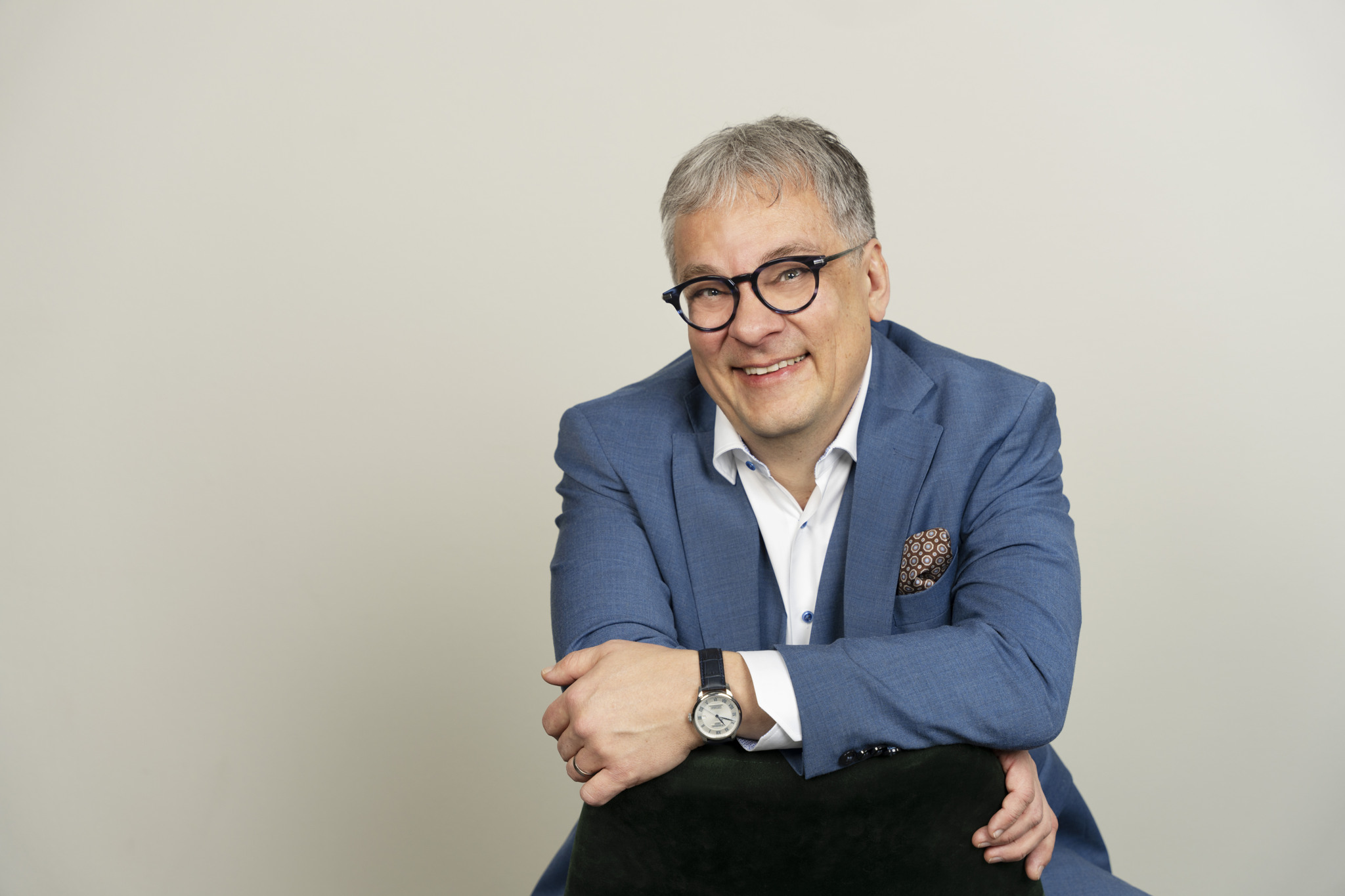
Finland’s position in the European rail network has become a topic of discussion as the construction of Rail Baltica has progressed all the way to Tallinn and the coast of the Baltic Sea. “Logistics, the economy, and security are increasingly intertwined. Through East Railway, the common European railway area could also be extended to Finland,” says CEO Petteri Portaankorva.
In the 2030s, Rail Baltica, which is under construction, will bring along the use of the European track gauge of 1,435 millimetres from Central Europe all the way to Tallinn, on the southern shore of the Baltic Sea. On the opposite side of the gulf, Finland is planning to construct a new railway connection between Helsinki and eastern Finland. The planned East Railway line runs from Helsinki Airport via Porvoo to Kouvola, where it connects to the existing railway lines in eastern Finland.
The new railway line will improve the competitiveness, safety and resilience of the area located on the eastern border of the European Union as well as its accessibility. In the future, East Railway could be linked to Rail Baltica by rail and ferry and, later on, through an undersea tunnel. At that point, the single European rail network would also expand to Finland through a fixed, direct connection.
Railway connections improve Europe’s competitiveness and safety
“The construction of Rail Baltica, geopolitical changes and also the planning of East Railway have prompted discussion on Finland’s position in the European rail network. Even though we are very closely integrated into the European Union, in terms of rail transport, we remain an island with its own track gauge. East Railway provides a unique opportunity to extend mainland European transport chains and the single railway area towards the north. This matter generates great interest outside Finland’s borders”, says Petteri Portaankorva, CEO of the project company East Railway Ltd.
Europe is developing a single railway area by expanding the use of the European standard track gauge. East Railway belongs to the strategic core Trans-European Transport Network (TEN-T) and the ScanMed Corridor, which extends from the Mediterranean all the way to Northern Europe. The EU aims to have the projects related to the extended TEN-T core network implemented by 2040.
“Rail transport is going through a new renaissance. In Europe, the aim is to improve the competitiveness of rail connections between capital cities and to have people and transport services utilise more sustainable modes of transport. When the level of service and pricing are appropriate, the tracks contribute greatly to sustainable mobility.”
Freight transport with a high security of supply needs alternative routes
Currently, Finland’s foreign trade depends almost entirely on maritime transport. The country’s connection to the single rail network would create a new route to mainland Europe and enable freight transport even in the event of disruptions to maritime transport. Petteri Portaankorva uses the Danish straits as an example: if the connection through the straits were to be disrupted even for a short while, Finland would be quickly isolated.
“More than 95% of our foreign trade requires transportation by the sea. In terms of security of supply and safety aspects, international connecting routes must be able to withstand disruptions and alternative routes must be available whenever one cannot count on the usual routes. New international rail connections, if compatible with the rest of Europe, would significantly strengthen Finland’s network of international connections as a whole. The same infrastructure would serve logistics under normal operating conditions and support crisis preparedness.”
For rail connections to have a real impact on international transport, the volume of freight train transport should be increased considerably. According to Portaankorva, the planned northern route via Sweden is not sufficient as such, because the northern rail network and the north-to-south rail network in Sweden are already under a heavy load.
“I am often asked how we intend to connect to Europe. East Railway, Rail Baltica, train ferry connections, and a potential tunnel from Helsinki to Tallinn create, as a whole, a strategic opportunity for Finland. For a northern EU country, having a railway connection to the mainland creates room for manoeuvre in a world where logistics, the economy and security are interrelated more and more.”
A decision for the next century
Finland’s only rail and road transport terminal hub in the strategic core Trans-European Transport Network is located in Kouvola, at the northern end of East Railway line. It acts as a natural hub when goods are moved between trains using different track gauges or from lorries to trains that can run directly all the way to Southern Europe.
“The decision concerning the track gauge is of critical importance, as it must remain valid until the next century. Finland needs a far-reaching, strategic joint outlook for rail transport that goes beyond individual projects and brings the development of the rail network, rolling stock, the transport market, track gauge, and international connections under the same umbrella. The EU’s willingness to develop rail connections is more than clear – it wants a single European railway area.”
Time is money when developing new rail connections
The estimated construction costs of East Railway amount to approximately 3 billion euros. Since the project has European-wide impact, the objective is to obtain significant funding from the EU.
“The Connecting Europe Facility, or CEF regulation, for the next EU programming period will be very important to us. If East Railway is included on the list of international connections, the project will have a stronger position in terms of EU funding. Already at the planning stage, the share of EU funding could amount to tens of millions of euros and, at the implementation stage of the railway line, to at least hundreds of millions. This is because the draft regulation for the programming period proposes an option of 50% support for investments as well.”
Petteri Portaankorva points out that, when developing transport connections, time is money.
“Construction work will not become more affordable over time. If decisions are postponed, costs will increase. At the same time, the benefits generated by better rail connections for Finland and Europe as a whole will be pushed further to the future. It can be said that decision-making concerning the eastern railway line shows which direction Finland has chosen for the future.”